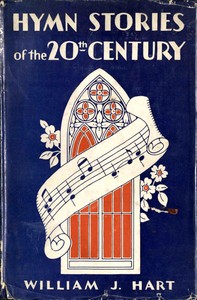
Hymn Stories of the Twentieth Century Book Summary
Introduction
Welcome to a summary of 'Hymn Stories of the Twentieth Century,' a collection of hymns and their stories curated for readers seeking spiritual and historical insight. This book, drawing from a rich archive of early 20th-century hymnody, offers more than just musical compositions; it provides a lens through which to view the evolving landscape of faith, society, and personal devotion during a transformative century. We'll explore its content, delve into its key themes, and consider its lasting resonance.
What is this book about?
'Hymn Stories of the Twentieth Century' is not a compilation of original hymn tunes but rather a curated collection and commentary on existing, well-known hymns from the early 1900s. It gathers hymns that gained popularity during that period, often reflecting the significant historical events, social changes, and theological discussions happening around the world. The book typically includes the full text of each hymn alongside brief introductions, biographical sketches of the composers or poets, and contextual essays explaining the hymn's background, its significance within the broader hymnody of the era, and the worldview it represents. Its aim is to deepen the reader's appreciation for these songs by connecting them to their historical roots and enduring messages.
Key Lessons
1. The Power of Words in Music: The book vividly demonstrates how carefully chosen lyrics, combined with memorable melodies, can convey profound emotions, complex ideas, and deep spiritual truths. For example, hymns responding to world wars often expressed themes of peace, sacrifice, and resilience, providing comfort and a shared language during turbulent times. This shows how music, especially sacred music, can act as a powerful medium for collective human experience and faith.
2. Hymns as Historical Documents: Each hymn entry acts as a snapshot of the early 20th-century world. The book subtly teaches readers to read between the lines of the lyrics, recognizing the cultural, political, and social anxieties or aspirations of the era. A hymn written during the Great Depression might emphasize hope and perseverance, reflecting the collective struggle and faith of the people. It teaches that hymns are not just timeless songs but products of specific historical contexts, carrying the echoes of their times.
3. The Evolution of Worship: By collecting hymns from this specific century, the book implicitly charts the course of Christian worship music leading up to our own time. It highlights shifts in theological emphasis, musical styles (from more traditional to contemporary), and the role of hymns in different denominational settings. Understanding these hymns helps readers appreciate the dynamic nature of liturgical and congregational music.
4. Connecting Past Faith to Present Understanding: The contextual essays help bridge the gap between the hymns' original intent and their meaning for modern readers. This 'hermeneutic' lesson encourages readers to engage critically with religious texts and music, fostering a deeper, more historically-informed faith. It shows how enduring themes like love, justice, and redemption find expression across generations.
Is this book fit for me?
This book is ideal for the following readers:
- Individuals interested in the history of Christian worship: If you want to understand the evolution of hymnody and its connection to historical events, this book is perfect.
- Musicians and singers: Those who appreciate choral music or wish to understand the background of hymns commonly sung in church services will find this informative.
- History enthusiasts: Readers fascinated by the early 20th century and how people expressed their beliefs and feelings through art will be engaged.
- Religious scholars and students: The contextual essays and biographies offer valuable material for study and reflection.
- Those seeking spiritual enrichment: Understanding the stories behind the hymns can deepen one's appreciation and connection to the music.
Does it still matter today?
Yes, this book still matters today. While we are now further into the 21st century, the themes explored in these hymns—peace, war, love, faith, social justice, the nature of God—remain profoundly relevant. The book offers a valuable historical lens, reminding us of past challenges and how communities responded to them through music and prayer. It deepens our understanding of the musical heritage we often take for granted and provides insights into the enduring power of faith-based expression. It helps us see how previous generations navigated similar complexities and offers a richer context for our own spiritual lives. The collection serves as both a historical record and a source of inspiration.
| Reading on Gutenburg | Free reading |
| Get Paperback Version on Amazon | Buy a book |
| Suggest Book : The Songs of Innocence and Experience Book | Get on Amazon |
Conclusion
'Hymn Stories of the Twentieth Century' offers more than just a collection of songs; it provides a journey through a pivotal century via the enduring medium of hymnody. By exploring the stories, contexts, and enduring themes within these hymns, readers gain a deeper appreciation for both musical heritage and the timeless questions of faith and human experience. It serves as a valuable resource for anyone interested in history, music, or the spiritual life, reminding us that the echoes of the past continue to shape our present understanding and expression of faith.