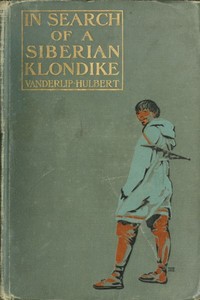
In Search of a Siberian Klondike Book Summary
The book offers several key insights, blending travel observation with historical analysis:
1. Understanding Place Through Immersion: Zohrab emphasizes that true understanding of a place requires firsthand experience. Sitting in a stuffy train car, sleeping in a Siberian hut, or navigating the bureaucracy of the time isn't just about collecting data; it's about absorbing the atmosphere, the rhythms, and the perspectives of its inhabitants. He learns about Siberia not just from books, but by being present, which allows him to grasp the stark realities of life there – the extremes of climate, the monotony, the resilience of the people, and the vastness that dwarfs human endeavors.
2. History is in the Present (and Past): While a travelogue, the book is deeply historical. Zohrab uses his journey to explore Russia's past. He connects the landscape and the people to centuries of expansion, colonization, and exploitation of Siberia. He witnesses the remnants of Peter the Great's policies and observes the social structures shaped by the tsarist regime. The 'Klondike' fever mirrors past gold rushes, but Zohrab shows how this fever was often exploited by the state and elite, highlighting recurring patterns in how nations manage resource booms and migration. His encounters provide micro-histories that illuminate larger national trends.
3. The Power of Economic and Geopolitical Forces: Zohrab meticulously documents the economic drivers shaping Siberia. The search for resources (gold, minerals, timber) and the need for transportation routes (like the Trans-Siberian Railway) were paramount. He shows how these forces dictated settlement patterns, influenced government policy, and created social hierarchies. The 'Klondike' promised wealth, but Zohrab reveals the complex, often brutal, mechanisms – state control, exploitation, and the harsh environment itself – that governed access to that wealth.
4. Human Resilience and Diversity in Adversity: Despite the harsh conditions, Zohrab encounters remarkable resilience among the Siberians. He observes various ethnic groups and social classes, from struggling peasants to exiled intellectuals, merchants, and soldiers. He portrays individuals adapting to a challenging environment and navigating the complexities of the Czarist system. This human dimension adds depth, showing the diverse ways people lived, survived, and sometimes dreamed, even under difficult circumstances and against a backdrop of looming change.
If you are interested in:
- Early 20th-century Russian history and the period leading up to the Revolution.
- Travel literature that blends adventure with historical insight.
- The history of exploration, colonization, and resource extraction in Siberia.
- Understanding the human condition in extreme environments and under challenging political systems.
- The cultural and economic development of frontier regions.
The book provides a unique, personal perspective on a crucial period and place. It offers a ground-level view of Russia at a time of great flux.
Yes, it absolutely still matters today. Zohrab's work remains a valuable primary source for historians studying the pre-revolutionary period and the development of Siberia. His descriptions of the landscape, the people, the social structures, and the economic activities offer a snapshot that is still relevant for understanding the roots of modern Siberian development and the broader Russian context.
Moreover, the book raises timeless questions about the relationship between governments and natural resources, the impact of economic booms (or busts), the lure of the frontier, and the complexities of cultural identity and adaptation. His exploration of 'why' people went to Siberia and what they found resonates with ongoing discussions about migration, economic opportunity, resource nationalism, and the challenges of governing vast territories. His insights into Russian national character and history formed during this period continue to be debated and referenced.
Therefore, if you found this book engaging, you might want to explore further:
suggest_book
| Reading on Gutenburg | Free reading |
| Get Paperback Version on Amazon | Buy a book |
| Suggest Book : The Penguin History of Russia Book | Get on Amazon |