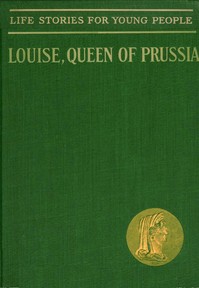
Louise, Queen of Prussia Book Summary
Published in 1852, Louise, Queen of Prussia by William Starr Raleigh is a biographical account of Louise of Mecklenburg-Strelitz, the wife of Frederick William III, King of Prussia. It's a fascinating glimpse into the life of a queen who navigated a tumultuous period in European history, marked by the Napoleonic Wars and the rise of Prussian nationalism. The book is less a deeply analytical study and more a romanticized portrayal, aiming to highlight Louise's virtues and her impact on the Prussian people.
The book chronicles Louise’s life from her upbringing in a relatively modest ducal family to her reign as Queen of Prussia. It details her marriage to Frederick William III, her role as a mother, and, most significantly, her unwavering patriotism and moral strength during the Napoleonic occupation of Prussia. Raleigh emphasizes Louise’s compassion, her dedication to her family and kingdom, and her influence on her husband, portraying her as a key figure in maintaining Prussian hope and ultimately contributing to the nation’s resistance against Napoleon. The narrative follows her through periods of peace, war, political intrigue, and ultimately, her tragic early death.
One of the most prominent themes in Louise, Queen of Prussia is the power of moral leadership, particularly in times of crisis. Louise wasn't a military strategist or a political mastermind, but her unwavering commitment to her people and her refusal to compromise her principles served as a powerful symbol of resistance against Napoleon. When Prussia was occupied and her husband was hesitant to fully oppose the French Emperor, Louise’s strong moral compass and public displays of patriotism encouraged him to take a firmer stance. This demonstrates how a leader’s character and integrity can be just as crucial as political maneuvering in inspiring a nation.
The book also highlights the importance of public perception and the role of royalty in shaping national identity. Raleigh meticulously details how Louise cultivated an image of virtuous motherhood and patriotic devotion. She actively engaged in charitable works, visited hospitals, and publicly mourned the suffering of her people. These actions weren’t merely gestures of kindness; they were carefully crafted to solidify her connection with the Prussian populace and foster a sense of national unity. In a time when Prussia felt vulnerable and demoralized, Louise became a living embodiment of its spirit and resilience.
Furthermore, the narrative subtly explores the constraints placed upon women, even those in positions of power. While Louise wielded considerable influence over her husband and was beloved by the people, her actions were always framed within the context of her role as a wife and mother. She couldn’t directly command armies or negotiate treaties, but she skillfully used her social position and moral authority to achieve her goals. The book, while admiring of Louise, implicitly acknowledges the limitations of her power, offering a glimpse into the societal expectations of women in the early 19th century.
Finally, Louise, Queen of Prussia serves as a reminder of the human cost of war and political ambition. The story is filled with accounts of suffering, loss, and the constant threat of violence. Louise’s personal grief, particularly the loss of her children, is poignantly portrayed, adding a layer of emotional depth to the historical narrative. It underscores the fact that even amidst grand strategies and political maneuvering, the lives of individuals are profoundly affected by the decisions of those in power.
This book will appeal to readers who:
- Enjoy historical biographies, particularly those focused on royalty.
- Are interested in the Napoleonic Wars and the history of Prussia/Germany.
- Appreciate a romanticized and somewhat idealized portrayal of a historical figure.
- Like stories about strong women who navigate challenging circumstances.
- Are looking for a relatively easy and engaging read – the prose is accessible and the narrative is fast-paced.
Yes, the book still matters today, though its historical context is crucial to understanding its impact. The themes of national identity, moral leadership, and the role of public perception remain highly relevant in contemporary politics. Louise’s story offers a valuable case study in how a leader can inspire a nation through virtue and example, even in the absence of traditional power. However, the book's romanticized style and potential biases require a critical reading. To gain a more nuanced understanding of the period and the complexities of leadership, it's beneficial to move beyond this single perspective.
| Reading on Gutenburg | Free reading |
| Get Paperback Version on Amazon | Buy a book |
| Suggest Book : The Pursuit of Glory: Europe 1648-1815 Book | Get on Amazon |
Louise, Queen of Prussia is a compelling, if somewhat hagiographic, account of a remarkable woman who played a significant role in shaping Prussian history. While it’s important to approach the book with a critical eye, recognizing its inherent biases, it remains a valuable source for understanding the cultural and political climate of the Napoleonic era and the enduring power of moral leadership. It’s a quick and engaging read that offers a fascinating glimpse into the life of a queen who became a symbol of hope for her nation.