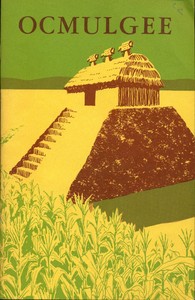
Ocmulgee National Monument, Georgia Book Summary
Introduction
Welcome to a summary of 'Ocmulgee National Monument, Georgia,' a book that delves into the rich history and archaeology of one of America's most significant pre-Columbian sites. This work explores the lives of ancient Native American cultures, particularly those of the Mississippian tradition, who inhabited the Ocmulgee River valley long before European contact. Through meticulous research and vivid storytelling, the book brings to life the monument's role as a center of trade, spirituality, and community, offering readers a profound appreciation for indigenous heritage. Whether you're a history enthusiast or simply curious about America's past, this summary will guide you through the key insights and enduring relevance of this fascinating publication.
What is this book about?
This book provides a comprehensive exploration of Ocmulgee National Monument, located in central Georgia, focusing on its archaeological significance, historical development, and cultural importance. It details the site's evolution from ancient Native American settlements, particularly during the Mississippian period, to its designation as a protected national monument in the 20th century. The narrative covers key aspects such as the Ocmulgee Mounds, which served as a ceremonial and political center for tribes like the Creek Confederacy, and the ongoing efforts to preserve and interpret this heritage. Drawing on archaeological findings, historical records, and environmental data, the book paints a picture of how human societies adapted to and thrived in this region for thousands of years, while also addressing the impacts of European colonization and modern conservation.
Key Lessons
One of the primary lessons from 'Ocmulgee National Monument, Georgia' is the importance of understanding and preserving indigenous cultures and their contributions to American history. For instance, the book highlights how the Ocmulgee site reveals sophisticated societies that predate European arrival, with elaborate mound-building practices and complex social structures, challenging the misconception that Native Americans were primitive or less advanced. This lesson is exemplified by the story of the Mississippian people who developed a network of trade and governance that spanned the Southeast, demonstrating human ingenuity and adaptability long before modern times. Another key takeaway is the value of interdisciplinary approaches in archaeology, as the book emphasizes how combining excavation data with oral histories and environmental science provides a more holistic view of the past. Consider the example of how pollen analysis helped reconstruct ancient diets and environments, showing how interconnected human activities were with the natural world. Finally, the book underscores the ongoing relevance of cultural heritage in fostering reconciliation and education, teaching readers that monuments like Ocmulgee serve not only as historical artifacts but as tools for contemporary dialogue on issues like land rights and cultural identity, encouraging us to learn from history to build a more inclusive future.
Is this book fit for me?
This book is ideal for readers with an interest in American history, archaeology, or cultural heritage, especially those seeking to deepen their understanding of indigenous perspectives in the Southeastern United States. If you are curious about ancient civilizations, enjoy detailed explorations of how people lived in the past, or want to learn about the significance of national monuments in preserving history, this book offers engaging narratives and accessible explanations. It is particularly suited for students, educators, tourists visiting the monument, or anyone involved in conservation efforts, as it provides practical insights into how historical sites shape our present. Additionally, readers who appreciate well-researched, storytelling-driven non-fiction or are looking for resources to counter stereotypes about Native American history will find this book highly relevant and enriching.
Does it still matter today?
Yes, this book remains incredibly relevant today, as it addresses ongoing issues of cultural preservation, reconciliation with Native American communities, and the importance of understanding our shared history to inform contemporary society. The lessons on indigenous resilience and the ethical considerations of archaeology are particularly timely, given current movements for tribal sovereignty and environmental justice. For example, the book's emphasis on respecting sacred sites and involving descendant communities in interpretation aligns with modern efforts to decolonize history and promote equitable storytelling. Therefore, I recommend reading 'Unearthing America: A History of Archaeology in the Southeast' by Timothy K. Perttula, which builds on the themes by exploring the evolution of archaeological methods and their impact on Native American communities in the region. This next book offers updated perspectives and case studies that extend the conversation into the present era.
| Reading on Gutenburg | Free reading |
| Get Paperback Version on Amazon | Buy a book |
| Suggest Book : Unearthing America: A History of Archaeology in the Southeast Book | Get on Amazon |
Conclusion
In summary, 'Ocmulgee National Monument, Georgia' provides a compelling and educational journey through the annals of one of America's most significant archaeological sites, blending history, archaeology, and cultural reflection. It not only enriches our knowledge of the past but also inspires us to think critically about how historical preservation can foster healing and understanding in the present. If you're eager to explore these themes further, this book is an excellent starting point, and as suggested, 'Unearthing America' offers a natural progression into modern archaeological discourse. By engaging with these materials, you can gain a deeper appreciation for the enduring power of heritage and its role in shaping a more informed and inclusive world.