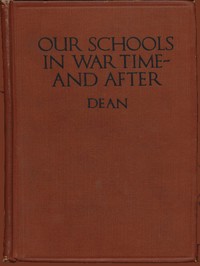
Our Schools in War Time—and After Book Summary
Introduction
Published in 1917, Our Schools in War Time—and After by George S. Morris offers a historical snapshot of the American education system during World War I. This text goes beyond simply describing the logistical changes schools underwent; it delves into the philosophical questions raised by the conflict. Written primarily from the perspective of educators and public officials, it explores how the war impacted teaching methods, curriculum choices, and the very purpose of schooling in a nation mobilizing for war. The book provides valuable insight into a pivotal moment in American educational history.
What is this book about?
The book primarily addresses the challenges and adaptations faced by American schools during World War I. It examines the immediate practical difficulties, such as shortages of teachers and materials, the integration of war-related subjects into the curriculum (like typing for increased efficiency), and the redirection of educational resources towards the war effort. It also explores the long-term implications and educational reforms considered necessary in the post-war era. The author investigates how the war experience influenced educational philosophies, the role of the teacher, and the relationship between schools and society.
Key Lessons
This book provides several enduring insights into the nature of education during crisis and its evolution. One key lesson is the remarkable adaptability of the American educational system. Faced with unprecedented challenges—teacher shortages due to men being drafted, lack of materials, and shifting societal priorities—schools found ways to continue functioning, often with immense community effort. For example, schools incorporated patriotic themes, taught practical skills like typing, and sometimes integrated vocational training to support the war industry, demonstrating how education could be molded to meet immediate national needs.
Another significant lesson concerns the impact of large-scale societal events on educational philosophy. The war forced educators to reconsider the goals of schooling. Was education solely about academic preparation, or did it have a civic duty? This period saw debates about curriculum changes, the value of classical studies versus modern vocational subjects, and the role of teachers in shaping patriotic citizens. The book highlights how war served as a catalyst for rethinking traditional educational priorities and the very purpose of public schooling in a democratic society undergoing rapid change.
Furthermore, the book underscores the crucial role of educators during national emergencies. Teachers were not just passive recipients of policy changes; they were active participants in finding solutions. They adapted their teaching methods, developed new curricula, and often took on additional responsibilities, becoming community leaders and morale boosters. This highlights the agency and resilience of educators in navigating turbulent times, showing that schools are not just institutions but communities capable of significant internal adaptation.
Finally, it serves as a historical lens on educational reform. The post-war period saw proposals for significant changes based on the wartime experience, including ideas for making education more practical, relevant, and aligned with perceived national needs. While some reforms gained traction, the book offers a nuanced view of the challenges in implementing widespread educational change, even when motivated by a perceived national crisis.
Is this book fit for me?
This book is particularly suitable for:
- Educators and historians interested in the history of American education, especially the early 20th century.
- Individuals seeking to understand how major societal crises (like wars) impact educational systems and philosophies.
- Readers curious about the relationship between education and national identity.
- Anyone interested in the practical adaptations schools make during challenging times.
However, its specific focus on World War I might be less directly relevant for readers primarily interested in contemporary educational debates unless they wish to draw historical parallels. Its language and perspective reflect the early 20th century.
Does it still matter today?
Yes, Our Schools in War Time—and After still holds significance today. It offers valuable historical context for understanding how education systems respond to large-scale crises, whether they be wars, pandemics, or significant social upheavals. The themes of adaptation, continuity amidst disruption, the role of educators, curriculum debates, and the relationship between education and national needs are timeless. Reading this account can provide perspective on current challenges facing schools, such as resource allocation during emergencies, incorporating national/global issues into the curriculum, and the evolving purpose of public education. It reminds us that educational systems are not static but constantly negotiate between tradition and change in response to external pressures.
Therefore, based on its historical relevance and exploration of enduring educational themes, I suggest reading Educated: A Memoir by Tara Westover. This book tells the powerful story of someone denied a formal education and how she pursued learning independently during tumultuous personal times. While different in genre (memoir vs. historical analysis), it complements the themes of interrupted education, the transformative power of learning, and overcoming societal and personal barriers to acquiring knowledge, echoing some of the spirit found in understanding the wartime educational adaptations discussed in the original text.
| Reading on Gutenburg | Free reading |
| Get Paperback Version on Amazon | Buy a book |
| Suggest Book : Educated: A Memoir Book | Get on Amazon |
Conclusion
In conclusion, Our Schools in War Time—and After provides a valuable, historically specific look at a critical period in American educational history. While written during a unique conflict, its exploration of adaptation, resilience, and the fundamental questions surrounding the purpose and practice of education during national crises offers lessons that resonate today. It is a resource for understanding how educational systems navigate extraordinary challenges and contemplate their role within a changing society.