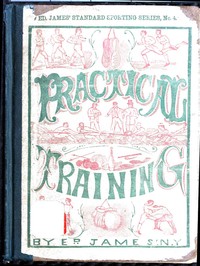
Practical Training for Running, Walking, Rowing, Wrestling, Boxing, Jumping, and All Kinds of Athletic Feats Together with tables of proportional measurement for height and weight of men in and out of condition; etc. etc. Book Summary
Introduction
This summary provides a concise overview of 'Practical Training for Running, Walking, Rowing, Wrestling, Boxing, Jumping, and All Kinds of Athletic Feats' by J.H. Rice, originally published in 1875. The book is a detailed guide to physical conditioning and athletic performance, reflecting the training philosophies of the late 19th century.
What is this book about?
This book is a comprehensive manual on physical training and athletic development. Rice offers detailed instructions and principles for developing strength, endurance, and skill across various sports including running, walking, rowing, wrestling, boxing, and jumping. A significant portion of the book is dedicated to establishing tables of proportional measurements for height and weight, categorizing individuals based on their physical condition (in training vs. out of condition). The overall focus is on practical, scientific approaches to fitness that were innovative for its time.
Key Lessons
The book emphasizes several core principles of training:
1. **Progressive Overload and Systematic Training:** Rice stresses that improvement comes from gradually increasing the difficulty of exercises and following a structured, planned approach to training. He advises against overtraining and advocates for rest periods, but emphasizes consistency and building up slowly from a base level. For example, he might detail how to progressively increase running distance or rowing resistance.
2. **The Importance of Measurement and Proportion:** The book includes detailed tables correlating height and weight with fitness levels. Rice uses these measurements not just for classification but as a tool for tracking progress and understanding physical capabilities. This reflects an early attempt to quantify fitness and tailor training regimens to individual body types and build upon existing physical attributes.
3. **Specificity of Training:** While promoting overall physical development, Rice acknowledges the need for training methods to be somewhat specific to the athletic feat or sport being practiced. He provides tailored advice for different activities, recognizing that running training differs from rowing or boxing.
4. **Balanced Development:** The author advocates for developing all aspects of physical fitness – strength, endurance, agility, and coordination – rather than focusing solely on one attribute. This holistic view was common but presented systematically with practical exercises.
5. **Practical Application:** The advice is grounded in practicality. Rice often describes simple, accessible exercises and routines that could be performed with minimal equipment, making athletic training seem more attainable for a broader audience beyond just elite athletes.
Is this book fit for me?
This book would be particularly valuable for:
- Anyone interested in the history of physical education, sports science, and training methodologies.
- Historians or enthusiasts studying 19th-century American life, culture, and health practices.
- Individuals looking for foundational principles of exercise and training, even if the specific exercises seem dated. The concepts of progressive overload, the need for measurement, and specificity still hold relevance.
- Those curious about early attempts to scientifically quantify fitness and tailor training programs.
It may be less directly applicable for someone seeking cutting-edge, contemporary fitness advice or detailed instructions on modern athletic techniques.
Does it still matter today?
Yes, the book's core principles of progressive overload, the importance of tracking fitness levels (even with modern metrics like VO2 max replacing height/weight tables), specificity of training, and the value of systematic exercise planning are still fundamental to effective fitness and athletic training today. The book offers a fascinating historical snapshot of how people in the past conceived of physical fitness and athletic preparation.
| Reading on Gutenburg | Free reading |
| Get Paperback Version on Amazon | Buy a book |
| Suggest Book : Atomic Habits Book | Get on Amazon |
Conclusion
'Practical Training for Running...' remains a significant piece for its historical context and its articulation of foundational training principles that continue to influence modern fitness. While the specific exercises and measurement methods might seem dated, the underlying philosophy of building fitness systematically and progressively is timeless. This book provides valuable insight into the evolution of athletic training ideas. Tags : Sports/Hobbies/Motoring Teaching & Education