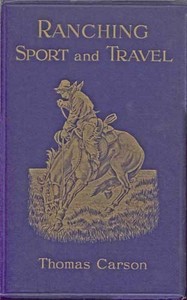
Ranching, Sport and Travel Book Summary
The book provides valuable insights into the historical practices, mindset, and culture surrounding ranching and Western life:
Firstly, it emphasizes the deep connection between ranching and the natural environment. Many essays detail how ranchers adapted their practices to the seasons, the land, and the needs of their animals, fostering a profound respect for the Western ecosystem. For example, articles on trail riding or cattle drives illustrate the necessity of understanding terrain, weather, and animal behavior.
Secondly, the book highlights the blend of practical necessity with a sense of adventure and sport. Activities like roping, hunting, and trail riding are presented not just as livelihood tasks but also as forms of recreation and skill mastery that required courage, precision, and a deep bond with horses and the outdoors. It captures the rugged individualism and self-reliance often associated with the pioneer spirit.
Thirdly, "Ranching, Sport and Travel" serves as a social history document. It portrays the community aspects of ranching, the relationships between ranchers, their families, and the land, often reflecting a simpler, more self-sufficient way of life that contrasts sharply with modern urban existence. Essays might touch upon the social customs, the isolation, or the camaraderie found in these communities.
Fourthly, while the focus is on the past, the book offers timeless advice on survival skills, animal husbandry basics, and navigating the natural world. This practical knowledge, though perhaps less central to modern ranching, remains relevant for anyone interested in outdoor survival, conservation, or understanding the foundations of Western American life. It demystifies some aspects of ranching, showing it as a complex blend of hard work, specialized knowledge, and inherent risk.
If you are interested in the history of the American West, particularly the early to mid-1900s era, then this book is a must-read. It provides authentic, contemporary accounts from the period.
If you enjoy reading about outdoor life, survival skills, horseback riding, or the romance of the frontier, you will likely find the essays engaging and informative.
If you are a writer, historian, or researcher studying Western American culture, ranching practices, or the history of popular magazines, this collection offers valuable source material.
However, if you are looking for a modern guide to contemporary ranching techniques, current Western issues, or a purely fictional account of ranch life, this book may not be the best fit.
Yes, "Ranching, Sport and Travel" certainly still matters today, primarily for historical and cultural reasons.
It offers a direct window into a specific slice of American history and culture that has largely disappeared. It helps readers understand the evolution of ranching, the lifestyle of early 20th-century Western Americans, and the environmental and social contexts that shaped it.
The book fosters an appreciation for the skills and knowledge that enabled people to live independently in the vast American landscape. While modern ranching is highly industrialized, there's still value in understanding these foundational practices and the deep connection they imply to the land.
It also serves as a reminder of the changing relationship between humans and nature, and the romanticized ideals that often accompanied the pioneering spirit. It provides material for appreciating Western literature, art, and folklore.
Therefore, for those seeking to delve deeper into the history and spirit of the American West beyond what this book offers, I suggest reading:
suggest_book
| Reading on Gutenburg | Free reading |
| Get Paperback Version on Amazon | Buy a book |
| Suggest Book : The Ranch: A Life in the American West Book | Get on Amazon |