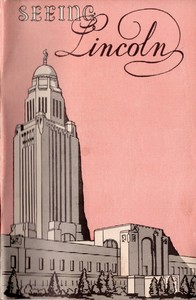
Seeing Lincoln Book Summary
Introduction
"Seeing Lincoln" by William H. Herndon and Jesse W. Weik, drawing heavily on Herndon's interviews with Lincoln's contemporaries shortly after the president's death, offers a unique perspective on Abraham Lincoln. The book aims not just to recount Lincoln's major achievements like the Emancipation Proclamation or the Gettysburg Address, but to construct a portrait of his personality, motivations, and vulnerabilities based on the recollections of those who knew him intimately. It presents Lincoln less as the revered icon and more as a flesh-and-blood individual navigating complex personal and political challenges.
What is this book about?
This work is primarily a biography centered around interviews conducted by William H. Herndon, Lincoln's law partner, shortly after the Civil War ended and Lincoln's assassination. Herndon, seeking to understand the man his client was famed for, interviewed hundreds of people who had known Lincoln. The book compiles these accounts, edited by Jesse Weik, to paint a picture of Lincoln's character, his struggles, and his development. It delves into his early life, his marriages, his bouts with depression, his relationships with family and colleagues, and his political evolution. The core idea is that understanding Lincoln requires looking beyond the established legends and focusing on the evidence from those closest to him.
Key Lessons
One central lesson from "Seeing Lincoln" is the importance of evidence-based understanding over hagiography. The book emphasizes that true insight into Lincoln comes from the firsthand accounts and observations of his contemporaries, rather than relying solely on later myth or sanitized versions of his presidency. It shows Lincoln grappling with difficult decisions, often weighing multiple options and consequences, highlighting his capacity for careful deliberation even under immense pressure.
Another key takeaway is Lincoln's resilience and capacity for empathy, even in the face of profound loss and national trauma. The book portrays him as deeply affected by personal tragedies, such as the death of his infant son, but also as someone capable of profound compassion for the suffering of others, extending even to his adversaries and, crucially, to enslaved people. This humanizes the leader, showing strength not just in political acumen but in emotional depth.
Furthermore, the book subtly illustrates Lincoln as a pragmatist first, a lawyer by trade. His political decisions, particularly regarding slavery and the war, are presented as complex calculations based on legal precedent, political feasibility, and the necessity to preserve the Union. This challenges the simplistic view of Lincoln solely as an abolitionist saint and instead presents him as a strategic thinker whose actions were often driven by a pragmatic assessment of the situation at hand.
Is this book fit for me?
This book is ideal for readers interested in American history, particularly the Civil War era and the life of Abraham Lincoln. If you're looking for a fresh perspective that moves beyond the traditional hero narrative and delves into Lincoln's personal struggles, relationships, and the human side of leadership, it's a good choice. It's also suitable for those studying biography or interested in how historical figures are remembered and reconstructed from fragmentary evidence. Readers who appreciate nuanced portrayals of historical leaders and value primary-source accounts will find it engaging. However, it might be less suitable if you're looking for a straightforward account of Lincoln's major speeches and battles or if you're seeking a highly dramatic, fictionalized portrayal of his life.
Does it still matter today?
Yes, it still matters today. Understanding Lincoln through Herndon's interviews provides valuable context for how leadership functions under extreme duress, the complexities of moral and political decision-making, and the enduring questions of national unity and division. The book's focus on evidence and human complexity offers a more grounded perspective on leadership, reminding us that even revered figures like Lincoln faced doubts, made difficult compromises, and experienced the same human emotions as anyone else. It helps contemporary readers navigate complex issues by showing how leaders grappled with multifaceted problems in the past, emphasizing the importance of empathy, long-term thinking, and evidence-based reasoning in governance. The lessons about resilience and the consequences of polarization are particularly relevant.
| Reading on Gutenburg | Free reading |
| Get Paperback Version on Amazon | Buy a book |
| Suggest Book : Team of Rivals: The Political Genius of Abraham Lincoln Book | Get on Amazon |
Conclusion
"Seeing Lincoln" offers a compelling and often counter-intuitive portrait of the 16th president, stripping away layers of myth to reveal a complex, human, and resilient figure. By focusing on Herndon's interviews and the recollections of Lincoln's contemporaries, it provides a unique lens for understanding his character, motivations, and the personal sacrifices that shaped his path to the presidency. While it might not be the definitive Lincoln biography for everyone, it serves as a powerful complement to traditional accounts, reminding us that understanding history requires looking at the individual behind the legend and appreciating the evidence of their time. It remains a valuable read for anyone seeking a deeper appreciation of leadership, the Civil War era, and the enduring complexities of Abraham Lincoln's legacy.