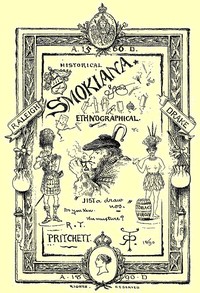
Smokiana: Historical; Ethnographical Book Summary
Published in 1905, Smokiana: Historical; Ethnographical by James Mooney is a fascinating, though at times problematic by modern standards, deep dive into the history, customs, and particularly the ritual use of tobacco by Native American tribes across North America. Mooney, a Smithsonian ethnologist, meticulously compiled information from extensive fieldwork and existing literature to create a comprehensive, and for its time, groundbreaking study. It's a product of its era, meaning some of the language and interpretations reflect the biases prevalent in early 20th-century anthropology, but it remains a valuable primary source.
At its core, Smokiana is about the cultural significance of tobacco for Indigenous peoples. It’s not simply a history of a plant, but a history of relationships – between people and the plant, between tribes, and between Indigenous communities and the encroaching colonial powers. Mooney explores the origins of tobacco cultivation, its diverse uses in religious ceremonies, medicinal practices, social customs (like peace pipe ceremonies), and even as a form of currency. He details the specific rituals surrounding tobacco use for different tribes, from the Calumet ceremonies of the Plains Indians to the Black Drink rituals of the Southeastern tribes. The book also touches upon the economic impact of the tobacco trade on Native American societies, and the devastating consequences of its introduction by Europeans.
One of the most striking lessons from Smokiana is the profound spiritual connection Native Americans held with tobacco. It wasn’t a recreational substance like it often is today, but a sacred offering, a conduit to the spirit world. Mooney details how tobacco smoke was believed to carry prayers to the Great Spirit, and how the plant itself was often treated with reverence. For example, the Dakota people would carefully select tobacco plants, offering them gifts of water and song before harvesting, believing the plant had a soul. This contrasts sharply with the European view of tobacco as a commodity and a source of revenue.
The book also powerfully illustrates the devastating impact of colonialism on Indigenous cultures, specifically through the lens of the tobacco trade. While initially a trade good, the demand for tobacco quickly led to exploitation and dependency. Tribes were often forced to overproduce tobacco to satisfy European markets, disrupting their traditional agricultural practices and economies. Furthermore, the introduction of European tobacco varieties and methods of consumption often undermined traditional Indigenous practices. Mooney describes how the Cherokee, for instance, were heavily involved in tobacco cultivation for trade, but this ultimately contributed to their economic vulnerability and displacement.
Mooney’s work highlights the incredible diversity of Native American cultures. He doesn’t present a monolithic view of “the Indian,” but instead meticulously documents the unique customs and beliefs surrounding tobacco use for dozens of different tribes. The Calumet, or sacred pipe, held vastly different meanings and ceremonial protocols for the Lakota, Cheyenne, and other Plains tribes. Similarly, the “Black Drink” – a potent concoction of tobacco and other herbs – was used in purification rituals by tribes in the Southeast, but the specific ingredients and methods varied significantly. This emphasis on cultural specificity is a crucial takeaway, reminding us of the richness and complexity of Indigenous traditions.
Finally, Smokiana serves as a cautionary tale about ethnocentric interpretations of culture. While Mooney was a dedicated researcher for his time, his writing inevitably reflects the biases of his era. He sometimes frames Indigenous practices as “primitive” or “superstitious,” even while acknowledging their deep cultural significance. Recognizing these biases is essential for critically evaluating the book and understanding the challenges of cross-cultural research. It encourages readers to approach historical accounts with a healthy dose of skepticism and a commitment to understanding perspectives from within the cultures being studied.
This book is ideal for readers who:
- Are interested in Native American history and culture.
- Want a detailed, historical account of tobacco use beyond its modern context.
- Enjoy anthropological studies and are willing to engage with a text from the early 20th century.
- Are interested in the impact of colonialism on Indigenous societies.
- Appreciate primary source material and are comfortable with potentially outdated language and perspectives.
Yes, Smokiana still matters today, though it requires a critical reading. It provides invaluable insight into the pre-colonial world of Native America and the profound cultural significance of tobacco. Understanding these historical contexts is crucial for addressing contemporary issues related to Indigenous sovereignty, cultural preservation, and the ongoing effects of colonialism. However, it's important to remember that the book represents a specific historical moment and should be supplemented with more recent scholarship that incorporates Indigenous voices and perspectives.
To further explore the complexities of Indigenous history and the impact of colonialism, I recommend reading:
| Reading on Gutenburg | Free reading |
| Get Paperback Version on Amazon | Buy a book |
| Suggest Book : An Indigenous Peoples' History of the United States Book | Get on Amazon |
Smokiana: Historical; Ethnographical is a landmark work in the study of Native American culture, offering a detailed and fascinating account of the role of tobacco in Indigenous societies. While it’s essential to approach the book with a critical eye, recognizing its historical context and potential biases, it remains a valuable resource for anyone seeking to understand the rich and complex history of North America’s first peoples. It’s a reminder that seemingly simple commodities can hold profound cultural and spiritual significance, and that understanding these nuances is crucial for fostering respect and reconciliation.