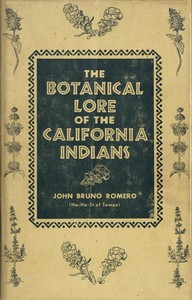
The Botanical Lore of the California Indians with Side Lights on Historical Incidents in California Book Summary
Published in 1939, The Botanical Lore of the California Indians by Elmer W. Harper is a fascinating, though at times problematic (as discussed later), deep dive into the traditional plant knowledge of California's Indigenous peoples. It's a product of its time, relying heavily on interviews and accounts gathered from Native informants, primarily in the early 20th century. Harper, a pharmacist, approached the subject with a scientific curiosity, aiming to document the medicinal, practical, and even spiritual uses of plants as understood by the original inhabitants of the state.
This book meticulously catalogs the ways in which California Indians utilized native plants. It’s not a simple list of remedies; Harper attempts to categorize the uses – medicinal (treating everything from headaches to broken bones), food sources, materials for building and crafting (houses, baskets, tools), and even plants used in ceremonies and for dyes. The book is organized geographically, focusing on the tribes inhabiting different regions of California, and details the specific plants they used and the methods of preparation. Importantly, it also weaves in historical anecdotes and stories shared by the informants, providing a glimpse into the cultural context surrounding these botanical practices.
One of the most striking lessons from The Botanical Lore of the California Indians is the sheer depth and complexity of Indigenous ecological knowledge. These weren't people simply surviving *in* nature; they were deeply intertwined *with* it, possessing an incredibly nuanced understanding of plant properties and their interactions within the ecosystem. For example, Harper details how different tribes used specific parts of the same plant for vastly different purposes – the roots for medicinal teas, the stems for basketry, and the leaves for poultices. This demonstrates a level of observation and experimentation that rivals modern botanical research. The book showcases how intimately connected health, spirituality, and daily life were to the plant world.
Another key takeaway is the incredible resourcefulness of California Indians. Faced with a diverse but often challenging environment, they developed ingenious ways to utilize every available resource. The book is filled with examples of this – using the inner bark of trees for clothing, creating adhesives from plant resins, and employing specific plants to counteract the effects of poisonous substances. The use of soaproot (Chlorogalum pomeridianum) as a bulbous food source and, crucially, as a powerful emetic to purge toxins is a prime example. This wasn’t just about finding food; it was about understanding the potential dangers of the environment and having the knowledge to mitigate them.
The book also highlights the importance of oral tradition in preserving knowledge. Harper’s work relies entirely on the information shared by Native informants, demonstrating how vital storytelling and direct instruction were in passing down botanical expertise through generations. The loss of this oral tradition, due to colonization and forced assimilation, represents a significant cultural and scientific loss. The fact that Harper was able to document even a fraction of this knowledge is a testament to the willingness of individuals to share their heritage, despite the pressures they faced. However, it’s crucial to acknowledge that Harper’s interpretations are filtered through his own Western lens, and some details may have been lost or misinterpreted in translation.
Finally, the book subtly reveals the interconnectedness of tribes and their shared botanical knowledge. While regional variations existed, there were also common uses and understandings of plants across different tribal groups, suggesting a network of exchange and learning. This challenges the notion of isolated cultures and emphasizes the collaborative nature of Indigenous knowledge systems. The book also implicitly demonstrates the devastating impact of colonization on these systems, as the disruption of traditional lifeways led to the erosion of this valuable knowledge.
This book will appeal to:
- Students of ethnobotany: It's a primary source for understanding historical plant use in California.
- California history enthusiasts: The book provides a unique perspective on the lives and cultures of California Indians.
- Gardeners and foragers: While not a guide for modern foraging (due to identification challenges and conservation concerns), it offers insight into the potential uses of native plants.
- Those interested in Indigenous cultures: It provides a glimpse into the complex relationship between California Indians and their environment.
- Readers who appreciate detailed, descriptive writing: Harper's style is thorough and often poetic.
However, be aware that the book reflects the biases of its time and may contain outdated terminology or interpretations. It's best read with a critical eye and alongside more contemporary scholarship.
Yes, absolutely. Despite its age and the need for critical engagement, The Botanical Lore of the California Indians remains a valuable resource. It serves as a reminder of the profound ecological knowledge held by Indigenous peoples, knowledge that is increasingly relevant in the face of climate change and biodiversity loss. It also highlights the ethical responsibility to acknowledge and respect the intellectual property rights of Indigenous communities. The book’s documentation of traditional practices can inform modern conservation efforts and potentially lead to the discovery of new medicinal compounds. However, it's crucial to understand that this knowledge is not freely available for appropriation; it must be accessed and utilized with the consent and guidance of the relevant Indigenous communities.
To gain a more contemporary and ethically informed perspective, I would suggest reading...
| Reading on Gutenburg | Free reading |
| Get Paperback Version on Amazon | Buy a book |
| Suggest Book : Braiding Sweetgrass: Indigenous Wisdom, Scientific Knowledge and the Teachings of Plants Book | Get on Amazon |
The Botanical Lore of the California Indians is a significant, if imperfect, work. It offers a fascinating window into the past, revealing the intricate relationship between California's Indigenous peoples and the plant world. While it's essential to approach the book with a critical lens, its enduring value lies in its documentation of a rich and often overlooked body of knowledge, and its reminder of the importance of respecting and learning from Indigenous perspectives.