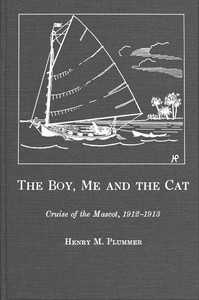
The boy, me and the cat Book Summary
The Boy, Me and the Cat
A heartwarming and timeless classic, first published in 1958, 'The Boy, Me and the Cat' by Inga Winkler tells the story of a young boy's relationship with his sister, his pet cat, and his imaginary friend—a little boy named 'Boy' who lives in the boy's mind. This simple yet profound picture book uses gentle language and charming illustrations to explore complex themes of imagination, responsibility, loss, and the unique bond between siblings and pets.
At a Glance
The story revolves around two main characters: the narrator (a young boy) and his imaginary friend, 'Boy'. The central figure in their adventures is their pet cat, 'Meow'. Through the blank stares, occasional sounds, and silent presence of the cat, the book depicts a child's simple interactions and observations. The narrative subtly touches upon significant life events, most notably the death of the cat, showing how the boy and his sister cope with grief, how they fill the void left by 'Meow' with their imagination (especially the persistent 'Boy'), and the eventual, gentle letting go. It's a quiet journey through childhood experiences, viewed through the lens of innocence and imagination.
Key Life Lessons
**The Necessity of Responsibility:** The book gently introduces the concept of caring for a living being, even a pet. The boy and his sister watch over 'Meow', providing food and shelter. When 'Meow' falls ill and dies, the responsibility shifts to respecting his final wish and preparing his ashes, symbolizing a child's early encounter with the consequences of life and death, and the duty that comes with having loved and cared for another creature.
**The Power of Imagination and Coping Mechanisms:** The character 'Boy' serves as a crucial coping mechanism. His presence allows the children to process the overwhelming grief of losing 'Meow'. The book suggests that imagination can be a healthy, albeit sometimes strange, way to navigate difficult emotions. The repeated line about waiting for 'Boy' highlights how children use their inner world to make sense of reality and find comfort during times of loss.
**Understanding Grief and Acceptance:** The handling of grief in this book is tender and realistic for its time. It doesn't shy away from the sadness but presents it simply. The children's grief is palpable, and the process of scattering 'Meow's' ashes is portrayed as a final, loving act. This teaches the importance of acknowledging loss, honoring the departed, and eventually finding a way to accept the changes that come with life's inevitable endings.
**The Bond Between Siblings:** While the cat is the central pet, the relationship between the two children is also shown. They share the burden of grief and care for 'Meow' together. This subtly emphasizes the importance of sibling unity and support during challenging times, showing how shared experiences, even simple ones, can strengthen the bond between brothers or sisters.
**Observing the World Through a Child's Eyes:** The narrative encourages empathy by showing the world through the eyes of the child narrator. His simple observations about 'Boy' and the cat's behavior remind adults of the innocence and directness with which children perceive reality, free from cynicism and complexity, highlighting the purity of their emotional experiences.
Who Should Read This?
This book is particularly suitable for:
- Parents and educators seeking a gentle introduction to discussing life, death, and grief with young children. Its simple narrative avoids the heavy-handedness that can sometimes overwhelm young audiences.
- Those interested in classic children's literature and the works of Inga Winkler, known for her sensitive portrayal of childhood experiences.
- Adults reflecting on their own childhood or trying to understand the imaginative leaps and coping strategies children use.
- Fans of minimalist, wordless picture books or those seeking stories with deep emotional resonance conveyed through sparse text and powerful imagery.
- Individuals looking for a quiet, contemplative read focused on themes of love, loss, and the enduring nature of imagination.
Enduring Relevance
Yes, 'The Boy, Me and the Cat' absolutely still matters today. While the specific cultural context might differ slightly, its core themes remain profoundly human and relevant. Children still face the loss of pets, grapple with responsibility, use imagination to cope, and experience the bonds of family. The book's timeless approach to handling grief with honesty and tenderness, its exploration of the complex relationship between a child and their imagination, and its simple yet poignant storytelling continue to resonate. The visual impact of the original illustrations (by Gunilla Kloss) also contributes to its enduring appeal, offering a visual language that speaks directly to readers across generations.
| Reading on Gutenburg | Free reading |
| Get Paperback Version on Amazon | Buy a book |
| Suggest Book : The Invention of Hugo Cabret Book | Get on Amazon |
Final Thoughts
Inga Winkler's 'The Boy, Me and the Cat' is a masterpiece of understated storytelling. Its quiet power lies in its ability to convey deep emotional truths through simplicity and imagination. It remains a gentle yet profound exploration of the fragility of life, the power of remembrance, and the enduring nature of childhood wonder. A timeless piece that deserves a place in libraries, classrooms, and homes, offering readers a poignant and beautifully rendered look into a child's world grappling with the big questions of existence.