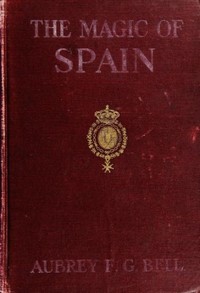
The Magic of Spain Book Summary
The Magic of Spain
Arthur N. Young's classic travelogue invites readers into a world where history, culture, and personal discovery intertwine. This book captures the essence of Spain through Young's witty observations and profound reflections on the country's evolution. If you've ever wondered about the magic behind Spain's enduring allure, this summary will guide you through its enchanting narrative.
Book Overview
\"The Magic of Spain\" by Arthur N. Young is a memoir and travelogue published in 1960, chronicling Young's personal journey through Spain during a time of significant political and cultural change. Written with a blend of humor, keen insight, and intellectual curiosity, the book explores Spain's rich history, vibrant culture, and the tensions between tradition and modernity. Young, an American who became deeply fascinated with European affairs, uses his travels to delve into the heart of Spanish identity, from the grandeur of its architecture to the warmth of its people. The narrative is not just a travel guide but a profound exploration of how Spain navigated the complexities of the 20th century, making it a timeless piece of cultural literature.
Key Lessons
One of the central lessons of \"The Magic of Spain\" is the stark contrast between the Old World and New World perspectives on culture and society. Young vividly illustrates this through his encounters with Spaniards who embody both the country's deep-rooted traditions and its progressive aspirations. For instance, he describes the tension between the opulent, historical cities like Madrid and Barcelona, which symbolize Spain's imperial past, and the burgeoning modern movements that sought to redefine national identity. This duality teaches readers about the universal challenges of balancing heritage with change, a theme that resonates across cultures.
Another key takeaway is the importance of cultural resilience in the face of adversity. Young's narrative highlights how Spain's unique blend of religious fervor, artistic expression, and political upheaval forged a resilient national character. He recounts stories of ordinary Spaniards who maintained their traditions amidst turmoil, such as during the Civil War era. This underscores the idea that cultural identity is not static but is actively preserved and adapted through collective memory and individual perseverance, offering valuable lessons for understanding how societies navigate crises.
Finally, the book emphasizes the transformative power of travel and personal experience in shaping one's worldview. Young's journey is not merely observational but deeply introspective, as he grapples with his own biases and misconceptions about Spain. Through his evolving perspective, readers learn that true understanding often requires stepping outside one's comfort zone and embracing the uncertainties of cultural immersion. This lesson encourages readers to seek out diverse experiences as a means of broadening their empathy and challenging preconceived notions, making it highly relevant for anyone seeking personal growth in an interconnected world.
Is This Book Fit for You?
This book is ideal for readers interested in history, travel literature, or cultural studies. If you enjoy memoirs with intellectual depth, appreciate Spain's rich tapestry of art and politics, or are curious about how nations evolve, you'll find much to admire. It's also suited for those who value nuanced storytelling that blends humor with profound reflection. Additionally, readers exploring themes of identity or change may gain fresh insights from Young's engaging narrative style.
Does It Still Matter Today?
Yes, \"The Magic of Spain\" remains highly relevant today. Its exploration of cultural identity, political change, and the interplay between tradition and modernity offers timeless insights into global issues. For example, Young's observations on Spain's transition from Francoism to democracy parallel contemporary discussions about societal transformation and the challenges of reconciling past and present. Since these themes are universal, the book's lessons continue to inform our understanding of cultural dynamics in an increasingly complex world.
Given its enduring relevance, I suggest reading \"Beneath the Lion's Gaze\" by Robert Delavigne. This newer book provides a modern perspective on Spanish history, complementing Young's work by offering updated analyses and fresh angles on similar themes.
| Reading on Gutenburg | Free reading |
| Get Paperback Version on Amazon | Buy a book |
| Suggest Book : Beneath the Lion's Gaze Book | Get on Amazon |
Conclusion
\"The Magic of Spain\" by Arthur N. Young is more than just a travel book; it's a captivating exploration of a nation's soul. Through Young's masterful storytelling, readers gain a deeper appreciation for Spain's history, culture, and enduring magic. Whether you're a history buff, a traveler, or simply curious about cultural evolution, this book offers timeless wisdom and inspiration.