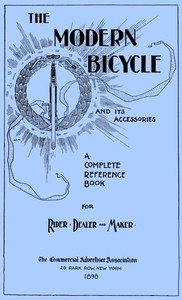
The Modern Bicycle and Its Accessories Book Summary
Introduction
"The Modern Bicycle and Its Accessories" is a detailed manual published in 1904. While reflecting the technological and cultural landscape of early 20th-century cycling, this book serves as a valuable resource for understanding the evolution of bicycle design, maintenance, and the importance of proper equipment. It aims to equip the reader, whether an enthusiast, a mechanic, or simply an informed cyclist of the time, with practical knowledge about operating and maintaining their bicycle effectively and safely.
What is this book about?
This book is a comprehensive guide to the bicycle as it existed around the early 1900s. It covers various aspects, including:
- The fundamental mechanics of bicycle operation, explaining how gears, brakes, and steering function.
- Detailed instructions on selecting the right bicycle based on individual needs and intended use.
- Extensive advice on maintenance and repair, covering topics like chain lubrication, tire inflation, and fixing common issues.
- A thorough exploration of bicycle accessories, from baskets and pumps to lights and specialized saddles.
- Emphasis on safety, proper riding techniques, and the importance of appropriate clothing.
Key Lessons
While technology has advanced significantly since 1904, "The Modern Bicycle and Its Accessories" offers timeless insights into the principles of cycling and mechanical understanding:
Mechanical Understanding is Crucial: The book emphasizes that a cyclist isn't just a rider but should understand the 'language' of their machine. For example, it explains the intricacies of gear shifts and how derailleur systems work, urging readers to know their bicycle's components to troubleshoot problems effectively. This 'ownership' of knowledge empowers riders beyond just borrowing a bike.
Maintenance is Non-Negotiable: It vividly stresses that a well-maintained bicycle is a safe and efficient machine. Detailed sections on cleaning, lubricating the chain (a fundamental practice still upheld), adjusting brakes for optimal stopping power, and checking tire pressure highlight that neglect leads to accidents and breakdowns. Understanding that a simple oiling job can prevent costly damage is a core lesson.
Accessories Enhance Functionality and Safety: The book dedicates considerable space to accessories, arguing they transform the bicycle from a basic mode of transport into a versatile tool. Examples include the necessity of a sturdy pump for reliable tires, the practicality of a rear rack for carrying goods, or the importance of a good bell or horn for signaling. It even touches upon clothing accessories like cycling knickers and waterproof gear, linking them to performance and safety in adverse conditions.
Safety and Practicality Go Hand-in-Hand: Advice on selecting the right size bicycle, choosing appropriate routes, wearing suitable clothing (like sturdy shoes), and understanding local traffic laws (implicitly or explicitly) shows an early appreciation for rider safety and practical application. It encourages readers to consider their own physique and needs, promoting a responsible approach to cycling.
Selection Matters: The book guides readers through the process of choosing a bicycle that suits their build, budget, and riding style, rather than simply buying the most expensive or flashy model. This practical approach to acquisition reflects an understanding that a properly chosen bicycle leads to greater satisfaction and usability.
Is this book fit for me?
This book would be particularly valuable for:
- Historical enthusiasts interested in the evolution of cycling technology and culture.
- Modern cyclists looking for foundational principles of bicycle mechanics, maintenance, and safety that may still apply, despite technological changes.
- Students of engineering or design interested in the development of mechanical systems.
- Those curious about the practical advice and lifestyle recommendations for cyclists a century ago.
- Individuals seeking to understand the origins of many modern cycling accessories and their purposes.
Less suited for someone seeking up-to-date technical specifications for modern bicycles or troubleshooting guides for the latest electronic components.
Does it still matter today?
Yes, to a significant extent. While the specific technologies described are outdated (no derailleur gears, different brake types, different standards), the fundamental principles remain incredibly relevant:
The book's emphasis on understanding your machine is more crucial now than ever with complex modern bicycles. Similarly, the advice on regular maintenance for longevity and safety is timeless. The value of appropriate accessories and safety consciousness are universal aspects of cycling. Its historical perspective adds depth to our understanding of how far bicycles have come.
| Reading on Gutenburg | Free reading |
| Get Paperback Version on Amazon | Buy a book |
| Suggest Book : The Bicycle Wheel Book | Get on Amazon |
Conclusion
"The Modern Bicycle and Its Accessories" offers a fascinating glimpse into the world of cycling at the dawn of the 20th century. While readers should be aware of the technological limitations of the era, its core messages about mechanical literacy, maintenance diligence, safety, and the utility of accessories remain profoundly relevant. It serves as both a historical artifact and a foundational text for understanding enduring cycling principles. For those seeking deeper technical knowledge about bicycle wheels and rims, "The Bicycle Wheel" by Jobst Brandt is a highly recommended modern read.