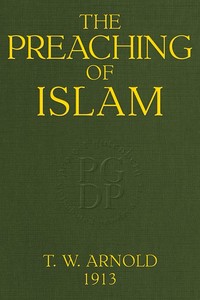
The Preaching of Islam: A History of the Propagation of the Muslim Faith Book Summary
The Preaching of Islam: A History of the Propagation of the Muslim Faith by T. W. Arnold is a detailed historical account of the spread of Islam from the time of the Prophet Muhammad to the early 20th century. The book explores the methods and circumstances under which Islam expanded, challenging the common misconception that Islam was primarily spread by the sword. Instead, Arnold emphasizes the role of peaceful preaching, trade, and cultural exchange in the dissemination of the Muslim faith.
This book is about the history of Islamic missionary work and the various means by which Islam was spread across different regions, including Asia, Africa, and Europe. It examines the role of Sufi saints, merchants, and scholars in the peaceful propagation of the faith, as well as the impact of political conquests and the establishment of Muslim states. The book also highlights the tolerance and adaptability of Islam in various cultural contexts, which contributed to its widespread acceptance.
- Peaceful Propagation: Arnold argues that Islam was often spread through peaceful means, such as trade and missionary work, rather than through forced conversions. He provides numerous examples of how Muslim merchants and Sufi mystics played a crucial role in introducing Islam to new regions.
- Cultural Adaptability: The book demonstrates how Islam adapted to local cultures and traditions, making it more accessible and appealing to diverse populations. This adaptability helped Islam take root in regions with distinct cultural practices, such as India and Southeast Asia.
- Role of Sufism: Sufi saints and their mystical practices were instrumental in spreading Islam, particularly in regions like Central Asia and the Indian subcontinent. Their emphasis on personal spirituality and inclusivity attracted many followers.
- Political Influence: While Arnold downplays the role of military conquest, he acknowledges that the establishment of Muslim states sometimes facilitated the spread of Islam by creating favorable conditions for religious propagation.
- Misconceptions Addressed: The book challenges the stereotype that Islam was spread primarily by the sword, offering a more nuanced and historically accurate perspective on its expansion.
This book is suitable for readers interested in the history of Islam, religious studies, and the dynamics of cultural and religious exchange. It provides a comprehensive and well-researched account of how Islam spread across the world, making it a valuable resource for students, scholars, and anyone curious about the history of religious propagation.
Yes, this book still matters today. It offers important insights into the historical spread of Islam and challenges common misconceptions about its propagation. Understanding the peaceful and adaptive nature of Islam's expansion can help foster better interfaith relations and promote a more nuanced understanding of Islamic history. A suggested next read is No God but God: The Origins, Evolution, and Future of Islam by Reza Aslan, which provides a modern perspective on the development of Islam and its place in the contemporary world.
| Reading on Gutenburg | Free reading |
| Get Paperback Version on Amazon | Buy a book |
| Suggest Book : No God but God: The Origins, Evolution, and Future of Islam Book | Get on Amazon |
The Preaching of Islam is a seminal work that provides a thorough and balanced account of how Islam spread across the globe. By emphasizing the role of peaceful propagation and cultural adaptability, Arnold offers a corrective to the widespread belief that Islam was primarily spread by military conquest. This book remains relevant for understanding the historical dynamics of religious expansion and the complex interplay between religion, culture, and politics.