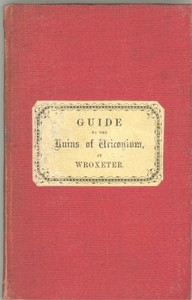
The Ruins of the Roman City of Uriconium, at Wroxeter, near Shrewsbury Book Summary
Introduction
"The Ruins of the Roman City of Uriconium" by W.G. Kendall is a meticulously researched work that delves into the archaeological findings and historical context surrounding the Roman settlement at Wroxeter in Shropshire, England. Wroxeter, identified as the Roman city of Uriconium, boasts a rich history dating back to the 2nd century AD. The book meticulously details the discoveries made through archaeological excavations, the layout of the city, its structures, and the daily life of its inhabitants during the Roman period. It serves as a comprehensive guide for anyone interested in Roman Britain and the tangible remnants of its past.
What is this book about?
The book primarily focuses on the archaeological investigation and interpretation of the ruins found at Wroxeter. It covers the history of the excavations, the methods used by archaeologists (like W.G. Kendall), the findings such as pottery, coins, buildings, and artifacts, and the reconstruction of what life was like in Roman Uriconium. It explores the city's layout, its importance (perhaps as a river crossing or administrative center), the types of buildings (baths, houses, temples, public spaces), and the economy and society of its inhabitants. The book aims to bring the past to life by combining scientific evidence with historical records and contextual information about Roman Britain.
Key Lessons
This book offers valuable insights into how we can understand the past through archaeology and the careful analysis of material remains. One key lesson is the importance of combining different types of evidence. Kendall and archaeologists like him didn't just dig up artifacts; they meticulously recorded their location, associated finds, and building contexts. This layered approach allowed them to reconstruct the city's development over centuries, showing how Roman Uriconium grew, changed, and eventually declined. For example, finding coins from different periods helped date specific structures or phases of occupation.
Another crucial lesson is the story of the site itself. The book emphasizes that Wroxeter wasn't just a minor outpost; it was a significant Roman city that was gradually abandoned and later reused, perhaps as a medieval village. The detailed account of the excavations reveals how cities, even ancient ones, are dynamic entities shaped by human activity over time. The preservation of large bath complexes and administrative buildings, alongside everyday pottery, gives a tangible sense of Roman life, showing both public splendor and domestic reality. This teaches us that archaeology doesn't just find ruins; it uncovers narratives of people, power, and daily existence.
Is this book fit for me?
This book is ideal if you have a keen interest in Roman history, specifically the period in Britain, or if you're fascinated by archaeology and how it uncovers the past. You'll find it particularly rewarding if you enjoy detailed descriptions, historical context, and the process of discovery. The book is written in an academic style, so it's well-suited for students, history enthusiasts, and those with some prior knowledge of Roman Britain or archaeological methodology. Its focus is on the specific site of Wroxeter, so while it offers a deep dive into one location, it also provides insights into Roman urban life more broadly. It's less suited for readers looking for a broad, general overview of Roman history across the Empire.
Does it still matter today?
Yes, absolutely. The study of Roman ruins like Wroxeter matters today for several reasons. Firstly, it connects us to our collective human heritage, reminding us of the vastness and achievements of the Roman Empire. Secondly, it provides valuable insights into the development of towns, infrastructure, and governance, which are still relevant in modern urban planning and historical studies. Thirdly, archaeological work at sites like Wroxeter is crucial for preserving and interpreting our cultural heritage for future generations. Understanding how past societies lived, worked, and interacted with the environment helps us appreciate the complexities of our own world. The methods and findings from Roman archaeology also inform our understanding of other historical periods and non-literate cultures.
| Reading on Gutenburg | Free reading |
| Get Paperback Version on Amazon | Buy a book |
| Suggest Book : A History of the Ancient World Book | Get on Amazon |
Conclusion
"The Ruins of the Roman City of Uriconium" provides a fascinating and detailed account of one of Britain's most important Roman sites. W.G. Kendall's work remains a significant contribution to the understanding of Roman Britain and archaeological practice. While its focus is specific, it offers valuable lessons about history, archaeology, and the enduring importance of preserving our past. Whether you're a specialist or a casual history lover, this book offers a rewarding exploration into the tangible remnants of ancient Rome in Britain.