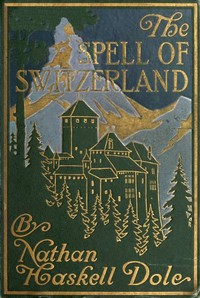
The Spell of Switzerland Book Summary
The book unpacks several interconnected themes explaining Switzerland's unique appeal:
1. The Power of Neutrality: Hayman explores how Switzerland's long history of maintaining neutrality, avoiding major wars, and acting as an impartial broker in international affairs has shaped its identity and contributed to its mystique. This neutrality is perceived as a sign of strength, stability, and peace, making Switzerland a safe haven and a symbol of diplomatic refuge. It's not just about politics; neutrality becomes a cultural value associated with balance and fairness.
2. Emphasis on Order and Organization: The book highlights Switzerland's highly organized society, efficient transportation and communication systems, and meticulous public services. This visible orderliness, from the neat landscapes to the precision of trains and watches, creates an impression of reliability and competence. Hayman suggests this appeals to a deep-seated human desire for security and predictability, contrasting sharply with experiences of chaos.
3. The Myth of the Beautiful Landscape: While acknowledging the stunning natural beauty, Hayman also analyzes how this landscape is packaged and presented. The organized tourism industry, scenic railways, and picturesque villages contribute to a curated image. The book touches upon how this idealized landscape serves as an escape from the stresses of modern urban life, offering a sense of purity and tranquility.
4. The "Swiss Dream" as an Escape: A central theme is the idea that the "Swiss spell" offers a form of escape. For many, especially those from stressed or competitive environments, Switzerland represents a fantasy of peace, simplicity, and contentment. It embodies a counter-ideal to the perceived chaos and materialism of the outside world, providing a mental refuge where problems seem smaller and solutions more orderly. This escape isn't just physical but psychological, a flight from anxieties and societal pressures.
This book is particularly fitting if you are interested in:
- Exploring the psychology behind cultural perceptions and myths.
- Understanding the relationship between geography, history, and national identity.
- Delving into the sociology of tourism and how places are marketed and experienced.
- Seeking insights into the concept of neutrality and its impact on a nation's psyche and international role.
- Appreciating the work of anthropologists and psychologists who analyze everyday life and social structures.
- Anyone who has ever wondered why Switzerland seems so special or has been captivated by images or stories of the country.
Yes, absolutely. The themes explored in "The Spell of Switzerland" remain highly relevant today.
The concepts of neutrality, organization, and escape continue to shape how Switzerland is perceived globally. Its ongoing commitment to neutrality (or its challenges in the modern world) remains a subject of international discussion. The fascination with its landscapes and efficient systems persists, influencing tourism, branding (like Swiss banks and watches), and even diplomatic strategies. The book's insights into how external perceptions can become ingrained narratives and how places function as psychological escapes are timeless, offering valuable perspectives on understanding national identities, international relations, and human behavior in the face of globalization.
| Reading on Gutenburg | Free reading |
| Get Paperback Version on Amazon | Buy a book |
| Suggest Book : The Sovereign State: A History of Switzerland Book | Get on Amazon |