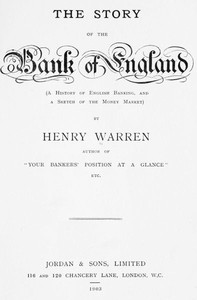
The Story of the Bank of England (A History of English Banking, and a Sketch of the Money Market) Book Summary
The Story of the Bank of England (A History of English Banking, and a Sketch of the Money Market) provides a comprehensive overview of the Bank of England's history, its role in the development of English banking, and insights into the money market. This book is a valuable resource for anyone interested in the financial history of England and the evolution of modern banking practices.
The book offers a detailed account of the Bank of England's establishment, its growth, and its influence on the financial system. It covers key events, policies, and the bank's relationship with the government and other financial institutions. Additionally, it provides an overview of the money market and its workings.
- Establishment and Early Years: The Bank of England was founded in 1694 to raise funds for the government during wartime. It played a crucial role in stabilizing the economy and establishing a reliable currency.
- Monopoly and Influence: Over time, the Bank of England gained a monopoly over note issuance and became a central figure in the financial system, influencing monetary policy and economic stability.
- Financial Crises: The bank has navigated numerous financial crises, including the South Sea Bubble and the Panic of 1825, demonstrating its resilience and adaptability.
- Modernization: The bank has continuously evolved, adopting new technologies and practices to remain relevant in a changing financial landscape.
- Global Impact: The Bank of England's policies and practices have had a significant impact on global finance, influencing other central banks and financial institutions.
This book is ideal for readers interested in:
- The history of the Bank of England and its role in shaping modern banking.
- Understanding the development of monetary policy and financial systems.
- Gaining insights into historical financial crises and how they were managed.
- Learning about the evolution of central banking and its global influence.
Yes, the book is still relevant today as it provides a foundational understanding of central banking and its historical context. For those looking to deepen their knowledge, I recommend reading "Lords of Finance: The Bankers Who Broke the World" by Liaquat Ahamed, which explores the role of central banks in the Great Depression and offers valuable lessons for contemporary financial challenges.
| Reading on Gutenburg | Free reading |
| Get Paperback Version on Amazon | Buy a book |
| Suggest Book : Lords of Finance: The Bankers Who Broke the World Book | Get on Amazon |
"The Story of the Bank of England" is a comprehensive and insightful read for anyone interested in the history of banking and finance. Its detailed account of the Bank of England's evolution and its impact on the global financial system makes it a valuable resource for both history enthusiasts and finance professionals.