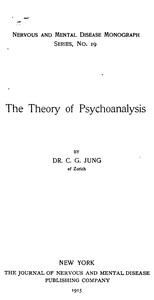
The Theory of Psychoanalysis Book Summary
Carl Jung's The Theory of Psychoanalysis is a seminal work that delves into the complexities of the human psyche and the foundations of psychoanalytic theory. Originally published in 1913, this book presents Jung's critical examination of Freudian psychoanalysis and introduces his own unique perspectives on the unconscious mind, dream interpretation, and the role of sexuality in human behavior.
This book is about Carl Jung's theoretical framework of psychoanalysis, which diverges from Freud's approach by emphasizing the collective unconscious and archetypes. Jung explores the structure of the psyche, the process of individuation, and the significance of dreams and symbols in understanding the unconscious. He also critiques Freud's emphasis on sexuality as the primary driver of human behavior and introduces his own ideas about the libido and its role in psychological development.
- 1. The Collective Unconscious: Jung introduces the concept of the collective unconscious, a deeper layer of the unconscious mind shared by all humans, containing universal archetypes and symbols. This idea suggests that certain patterns and themes in human experience are innate and not solely shaped by personal experiences.
- 2. Archetypes: Jung identifies archetypes as universal, primordial images and themes that reside in the collective unconscious. These include the mother, the hero, the shadow, and the anima/animus, among others. Archetypes manifest in dreams, myths, and cultural symbols, influencing human behavior and thought.
- 3. Individuation: The process of individuation is central to Jung's theory. It involves integrating the conscious and unconscious aspects of the psyche to achieve psychological wholeness and self-realization. This journey often involves confronting and reconciling with the shadow and other archetypal elements.
- 4. Dream Analysis: Jung views dreams as a window into the unconscious, offering insights into an individual's psychological state and the dynamics of the collective unconscious. He emphasizes the symbolic nature of dreams and the importance of interpreting them in the context of the dreamer's personal and cultural background.
- 5. Critique of Freud's Sexual Theory: Jung challenges Freud's focus on sexuality as the primary motivator of human behavior. He proposes a broader concept of libido, which encompasses all psychic energy, not just sexual energy. This shift allows for a more comprehensive understanding of human motivation and development.
Key points a reader will find:
- An in-depth exploration of Jung's psychoanalytic theory, including the collective unconscious and archetypes.
- A critical examination of Freudian psychoanalysis, particularly regarding the role of sexuality.
- Insights into the process of individuation and the integration of the conscious and unconscious mind.
- Detailed discussions on dream interpretation and the symbolic nature of dreams.
- A broader understanding of libido and its role in psychological development beyond just sexual energy.
Yes, The Theory of Psychoanalysis remains relevant today as it provides foundational concepts that continue to influence modern psychology, psychotherapy, and the study of the human mind. Jung's ideas about the collective unconscious, archetypes, and individuation have found applications in various fields, including literature, art, and cultural studies. The book's exploration of the unconscious and the symbolic nature of dreams also contributes to ongoing discussions in psychology and neuroscience.
| Reading on Gutenburg | Free reading |
| Get Paperback Version on Amazon | Buy a book |
| Suggest Book : <div class='container'><div class='card'><div class='card-body'><em>Man and His Symbols</em></div></div></div> Book | Get on Amazon |
The Theory of Psychoanalysis by Carl Jung is a foundational text that offers a unique and influential perspective on the human psyche. Its exploration of the collective unconscious, archetypes, and the process of individuation continues to resonate in contemporary psychology and beyond. For those interested in delving deeper into Jung's ideas, Man and His Symbols provides a more accessible introduction to his theories and their applications in everyday life.