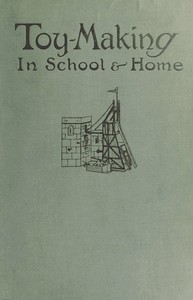
Toy-Making in School and Home Book Summary
Published in 1916, Toy-Making in School and Home by Florence Camden is a charming and surprisingly practical guide to crafting toys from readily available materials. It’s a window into a time when resourcefulness and handmade gifts were not just appreciated, but often necessary. The book reflects the Progressive Era’s emphasis on manual training and its belief in the educational value of hands-on activities.
This book is a comprehensive manual for creating a wide variety of toys using simple tools and inexpensive materials like paper, cardboard, wood scraps, fabric, and even natural items like pine cones and leaves. It’s geared towards teachers and parents looking to engage children in constructive play and develop their skills in areas like cutting, folding, sewing, and painting. Camden doesn't just provide instructions; she explains the *why* behind the activities, emphasizing the developmental benefits for children.
One of the central tenets of Toy-Making in School and Home is the idea that making toys is inherently educational. Camden meticulously details how each project fosters specific skills. For example, creating a paper chain isn’t just about decoration; it’s about developing hand-eye coordination, understanding sequencing, and practicing simple folding techniques. She stresses that the process of creation is as important, if not more so, than the finished product, encouraging adults to focus on the child’s engagement and learning rather than perfection.
The book champions resourcefulness and making do with what you have. In an era before mass-produced plastic toys, children relied on their imaginations and the ingenuity of adults to provide entertainment. Camden provides numerous examples of transforming everyday items into delightful toys. Old stockings become doll bodies, cardboard boxes become houses or cars, and scraps of fabric become clothing. This lesson is particularly relevant today, as we become increasingly aware of the environmental impact of consumerism and the benefits of upcycling.
Camden also emphasizes the importance of adapting toys to a child’s age and abilities. She categorizes projects by difficulty, suggesting simpler crafts for younger children and more complex ones for older children. She advocates for allowing children to participate in the design and construction process, tailoring the toys to their individual interests. A simple wooden block, for instance, can be painted and decorated to become a car, a house, or anything else the child imagines. This fosters creativity and a sense of ownership.
Finally, the book subtly promotes the value of shared activities and family time. Toy-making is presented as a bonding experience, a way for adults and children to work together, learn from each other, and create lasting memories. The detailed instructions and encouragement throughout the book suggest a patient and supportive approach, fostering a positive and collaborative environment. It’s a reminder that sometimes the most meaningful gifts are those made with love and effort.
This book is perfect for:
- Parents and Grandparents: Looking for engaging and educational activities to do with children.
- Teachers: Seeking low-cost, hands-on projects for classroom use.
- Craft Enthusiasts: Interested in historical crafting techniques and upcycling materials.
- Those interested in the history of education and childhood: The book provides a fascinating glimpse into the values and practices of the early 20th century.
- Individuals seeking a mindful and creative hobby: The simple projects can be a relaxing and rewarding way to spend time.
Yes, absolutely. While the specific materials and tools may have evolved, the core principles of resourcefulness, creativity, and the educational value of hands-on play remain incredibly relevant. In a world dominated by screens and mass-produced goods, the book serves as a powerful reminder of the joy and benefits of making things with your own hands.
To further explore the philosophy of hands-on learning and its impact on child development, I suggest reading:
| Reading on Gutenburg | Free reading |
| Get Paperback Version on Amazon | Buy a book |
| Suggest Book : Shop Class as Soulcraft Book | Get on Amazon |
Toy-Making in School and Home is more than just a collection of craft projects; it’s a testament to the power of imagination, the importance of resourcefulness, and the enduring value of handmade things. It’s a delightful and inspiring read that offers a timeless message about the joys of creating and the benefits of learning through play.