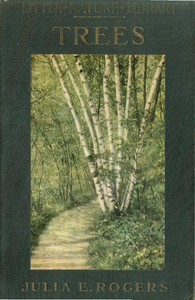
Trees Worth Knowing Book Summary
Trees Worth Knowing
This collection of essays, originally published in the early 20th century, offers a charming and accessible exploration of various trees found in North America. Written with a gentle, inquisitive, and sometimes slightly old-fashioned tone, the book personifies its subjects, bringing these often overlooked giants of the forest to life.
Book Overview
"Trees Worth Knowing" is not a dense scientific treatise. Instead, it's a series of engaging vignettes, each dedicated to a specific type of tree (like the Sugar Maple, the White Oak, the Beech, or the Dogwood). Each essay covers the tree's physical characteristics, its natural habitat, its growth habits, and its utility to humans (both practical and symbolic). The author adopts a conversational and almost affectionate tone, making the reader fall in love with these botanical characters. It's a beautifully illustrated book (with black-and-white drawings) that celebrates the quiet grandeur and vital importance of trees in our world.
Key Lessons & Insights
The book teaches us to see trees not just as resources, but as individuals with unique lives and personalities. The author doesn't just describe a maple tree's leaves; he shares its 'story' – its growth from a seed, its struggle for sunlight, its role in the ecosystem, and its enduring presence through changing seasons. This fosters a sense of connection and respect for nature.
It emphasizes the deep interdependence between trees and human civilization. Beyond timber and shade, the book explores how trees contribute to medicine, art, religion, folklore, and even our language. For example, the lessons learned from the resilient Oak, the delicate beauty of the Dogwood, or the sweet rewards of the Sugar Maple reveal more than just biological facts; they offer insights into human values and history.
The book cultivates a sense of wonder and curiosity about the natural world around us. By focusing intensely on one tree at a time, the author encourages the reader to look more closely at their own surroundings. It's a gentle reminder that the 'small print' of nature, often overlooked, holds significant beauty and knowledge. Each tree profile is a miniature exploration of a vital part of our shared planet.
Is This Book Fit For You?
Yes, this book is ideal if:
- You appreciate nature, trees, or the outdoors and enjoy learning about them in an engaging way.
- You enjoy beautifully illustrated books or old-fashioned, anecdote-rich writing styles.
- You're looking for a gentle, non-intimidating introduction to the world of trees.
- You want to cultivate a deeper appreciation for the environment and the natural details often missed in daily life.
- You are interested in the historical and cultural connections humans have formed with various plants.
Does It Still Matter Today?
Absolutely. In a world facing deforestation, climate change, and urbanization, understanding and appreciating trees is more crucial than ever. "Trees Worth Knowing" provides a foundational respect for these essential organisms. It reminds us of their intrinsic beauty, their ecological importance, and their deep roots (literally and figuratively) in human history and culture. The lessons about interconnectedness, patience, and resilience embodied by trees are timeless and highly relevant to contemporary environmental concerns. It encourages the mindfulness and connection to nature that many people seek today.
Therefore, it strongly connects to current environmental consciousness. The book's gentle advocacy for understanding and valuing trees aligns perfectly with modern ecological awareness.
| Reading on Gutenburg | Free reading |
| Get Paperback Version on Amazon | Buy a book |
| Suggest Book : The Hidden Life of Trees: What They Think, Feel, and Reveal Book | Get on Amazon |
Conclusion
"Trees Worth Knowing" is a delightful and timeless collection that transforms our view of common trees. Through simple, eloquent prose and charming illustrations, it imparts a deep sense of wonder, respect, and historical connection to the natural world. It serves as an excellent primer for anyone seeking to understand the fundamental importance of trees and encourages a more observant and appreciative relationship with the environment. As environmental awareness grows, this classic work remains a valuable and heartening read.