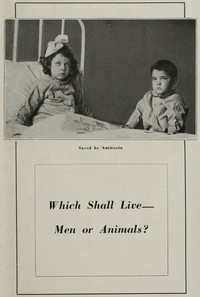
Which Shall Live—Men or Animals? Book Summary
Published in 1903, Which Shall Live—Men or Animals? by Henry Brewster Stanton is a surprisingly modern and impassioned plea for animal rights. Written during a period of burgeoning scientific advancement and industrialization, the book isn't a dry philosophical treatise, but a fiery indictment of humanity's exploitation of animals. Stanton, a lawyer and abolitionist, draws powerful parallels between the oppression of enslaved people and the suffering inflicted upon animals, arguing for a consistent ethical framework that extends compassion beyond our own species.
The book is a comprehensive argument against the use of animals for food, clothing, experimentation, and entertainment. Stanton meticulously details the cruelties inherent in these practices – from the horrors of slaughterhouses and vivisection labs to the suffering of animals used in circuses and for fashion. He doesn’t simply appeal to emotion, though; he builds a legal and philosophical case, questioning the very basis of human dominion over other living creatures. He argues that sentience, the capacity to feel pain and pleasure, is the key determinant of moral consideration, and that animals demonstrably possess this capacity.
One of the most striking lessons of the book is the consistent application of ethical principles. Stanton relentlessly points out the hypocrisy of condemning cruelty to humans while simultaneously inflicting immense suffering on animals. He argues that if we believe it is wrong to cause unnecessary pain to a human being, then it must also be wrong to cause unnecessary pain to an animal. This isn’t about elevating animals *to* the level of humans, but about recognizing a fundamental moral obligation to minimize suffering wherever it exists. He uses the analogy of slavery frequently, asking readers to consider if the justifications used to enslave humans would be acceptable if applied to animals.
Another crucial takeaway is the detailed exposure of the industrial processes that exploit animals. Stanton doesn’t shy away from graphic descriptions of slaughterhouses, fur farms, and laboratories. While disturbing, these accounts serve a vital purpose: to force readers to confront the reality of where their food, clothing, and medical advancements come from. He meticulously documents the conditions, the methods, and the sheer scale of animal suffering, making a powerful case that ignorance is no excuse for complicity. He details the economic incentives driving cruelty, showing how profit often trumps compassion.
Furthermore, the book challenges the anthropocentric worldview – the belief that humans are the central or most significant entities in the universe. Stanton argues that this perspective is not only arrogant but also fundamentally flawed. He presents evidence of animal intelligence, emotions, and social complexity, demonstrating that they are not simply unfeeling machines but rather beings with their own inherent worth and dignity. He highlights examples of animal altruism, problem-solving, and even grief, challenging the notion of human exceptionalism. This lesson is particularly relevant today as we grapple with the environmental consequences of prioritizing human needs above all else.
Finally, Stanton emphasizes the importance of individual action and the power of consumer choice. He doesn’t advocate for immediate and radical change, but rather for a gradual shift in attitudes and behaviors. He encourages readers to adopt a more compassionate lifestyle, to reduce their consumption of animal products, and to support businesses that prioritize animal welfare. He believes that by collectively making ethical choices, we can create a more just and sustainable world for all living creatures. He stresses that even small changes in personal habits can have a significant impact on the demand for cruel practices.
This book is for you if:
- You are interested in animal rights and welfare.
- You enjoy historical perspectives on social justice movements.
- You are willing to confront uncomfortable truths about the food and product industries.
- You appreciate a passionate and well-reasoned argument.
- You are open to questioning your own assumptions about humanity's relationship with the animal kingdom.
Absolutely. Despite being over a century old, Which Shall Live—Men or Animals? remains profoundly relevant. The issues Stanton addresses – factory farming, animal experimentation, the fur trade – are still rampant today, and arguably even more intensified. The ethical questions he raises about sentience, speciesism, and the moral obligations of humans to other animals continue to be debated by philosophers, scientists, and activists. While modern animal rights literature has built upon Stanton’s work, his foundational arguments are as powerful and persuasive as ever.
However, modern scientific understanding of animal cognition and emotion has significantly advanced since Stanton’s time. To gain a deeper understanding of these issues, a more contemporary work is beneficial.
| Reading on Gutenburg | Free reading |
| Get Paperback Version on Amazon | Buy a book |
| Suggest Book : Animal Liberation Book | Get on Amazon |
Which Shall Live—Men or Animals? is a landmark work in the history of animal rights. It’s a challenging, thought-provoking, and ultimately hopeful book that reminds us of our capacity for compassion and our responsibility to create a more just world for all living beings. While the language and some of the examples may feel dated, the core message remains timeless and essential.